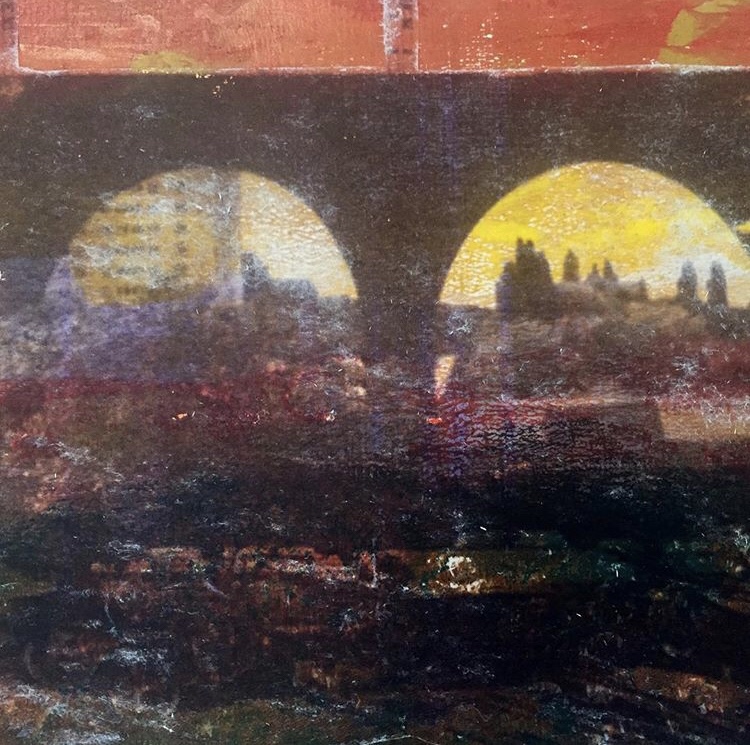
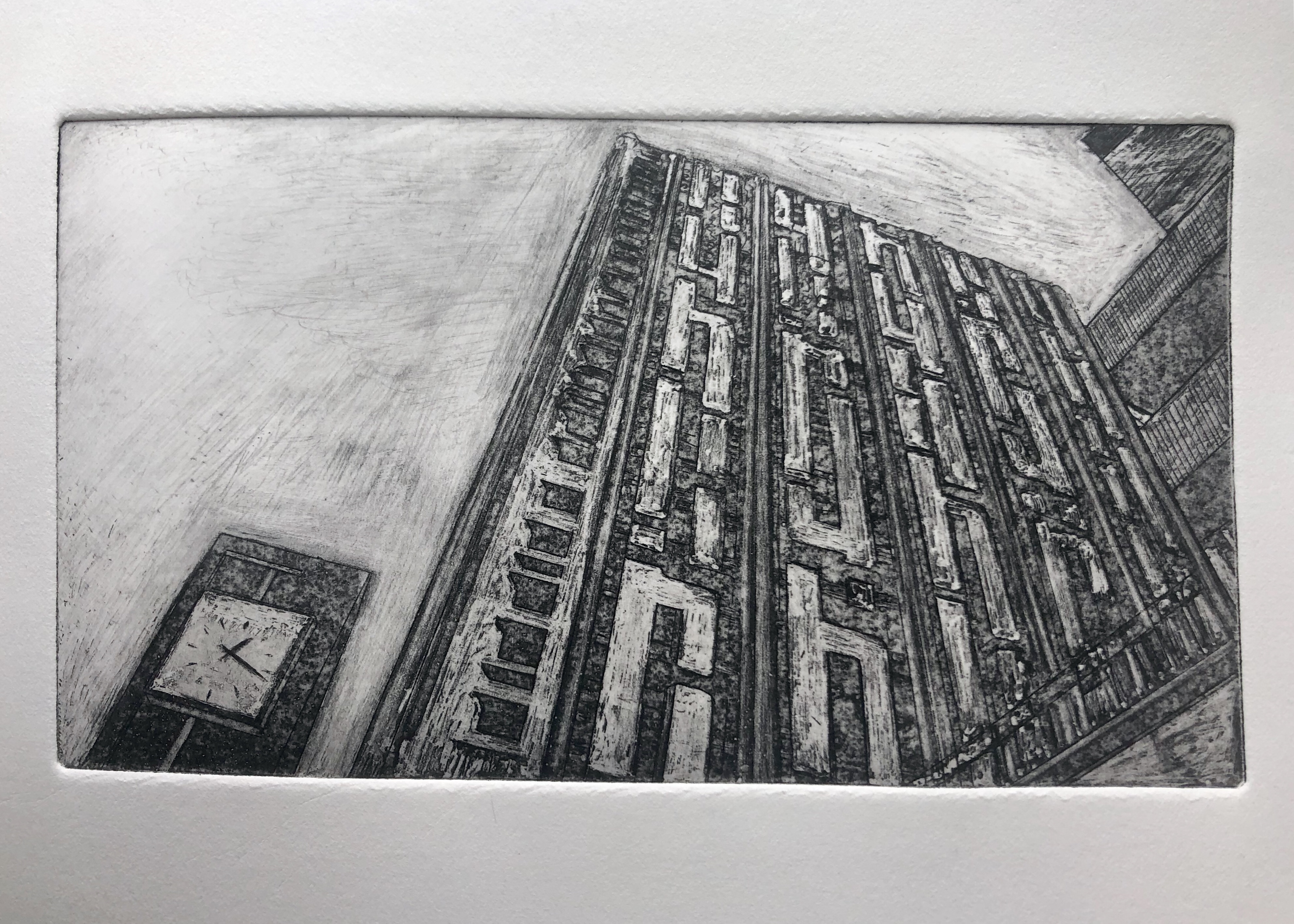
My mix-media print of Stockport has recently been sold at the Stockport Open exhibition.

A blog about Stockport landmarks by artist/printmaker Neil Robinson which follows a printmaking project depicting the diverse architectural styles of my hometown both new and old.
My mix-media print of Stockport has recently been sold at the Stockport Open exhibition.
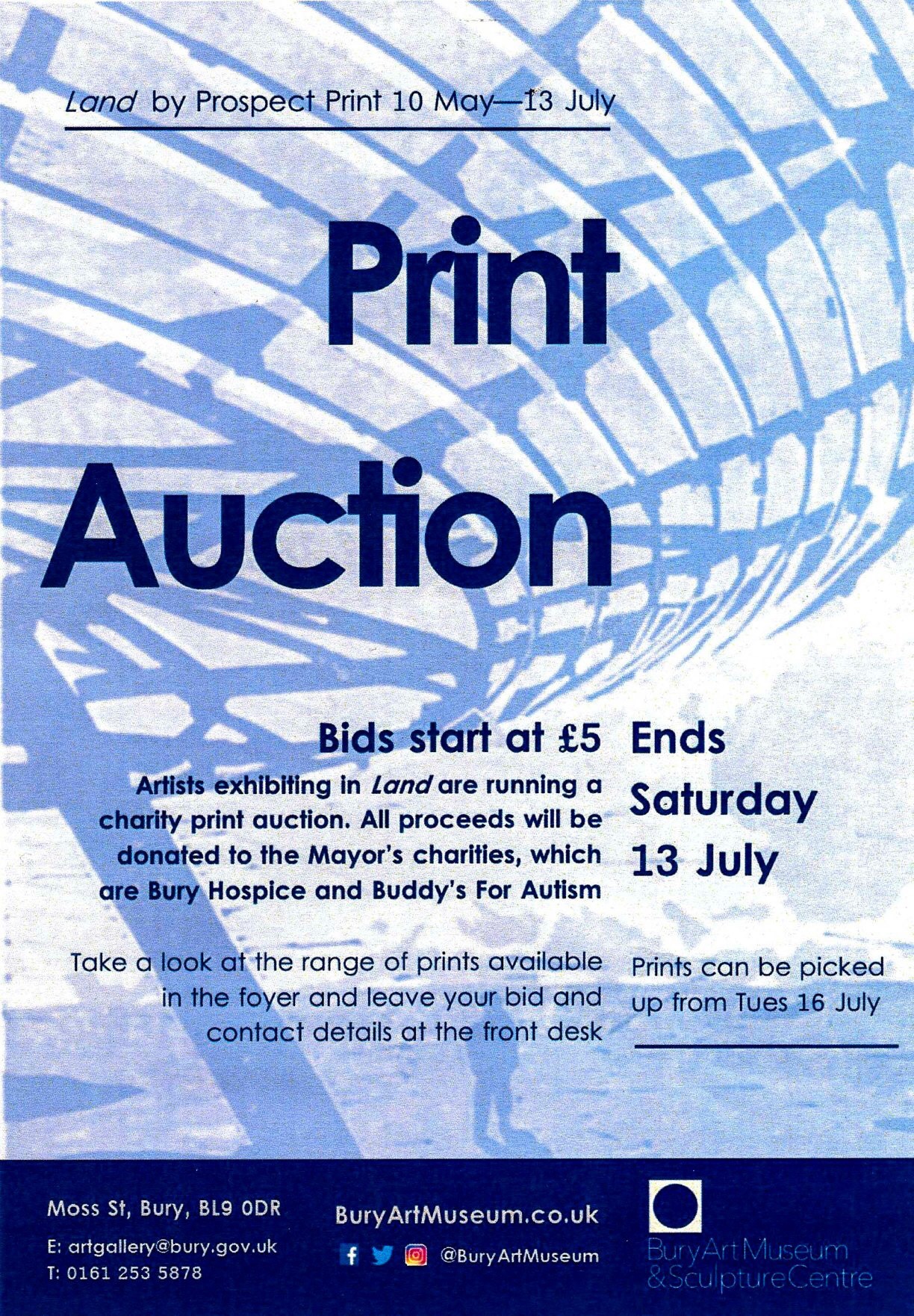
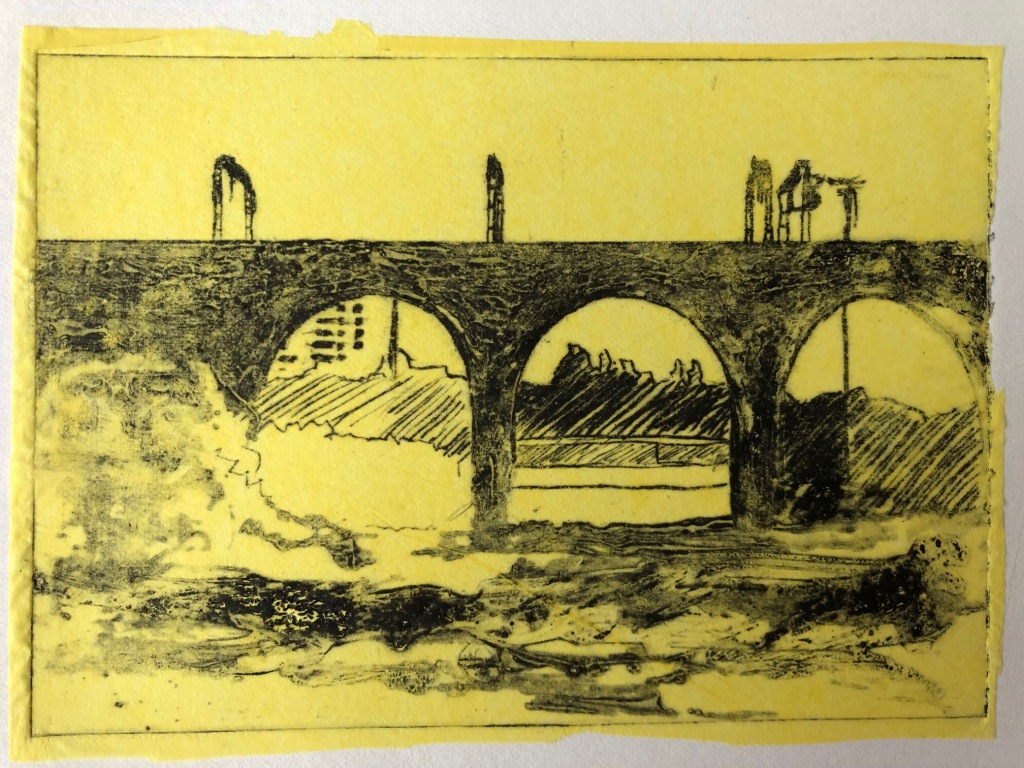
One of my two mix media prints of Stockport has been accepted in this year’s Stockport Open. Will find out Friday (tomorrow) which of my prints made it in. Looking forward to the preview and meeting other artists. Update 13/7/19. My print of the viaduct was accepted into the 2019 Open exhibition. See picture.
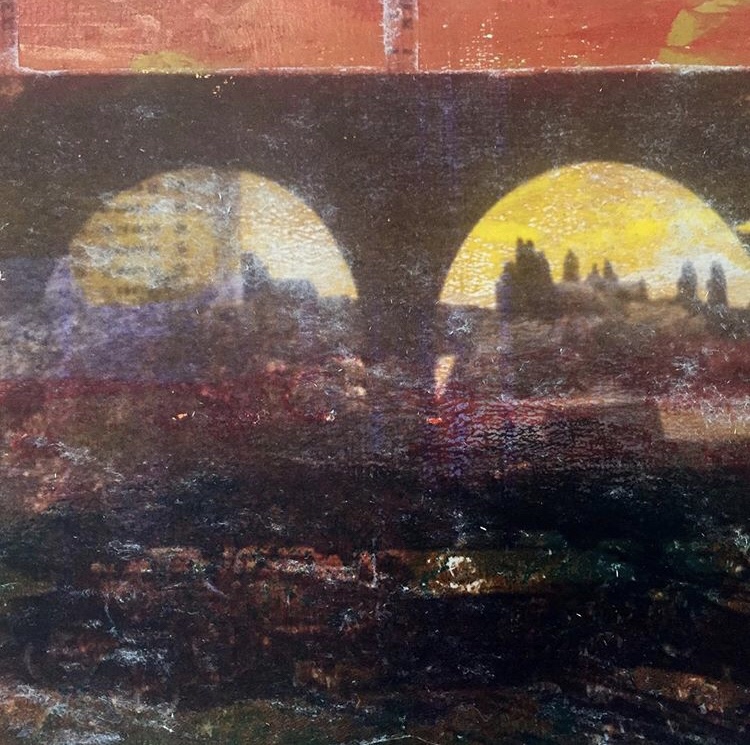
Why not visit the ‘Land’ and ‘Pennines’ joint exhibitions by Prospect Studios at Bury Art Museum until 13th July 2019.
I have a couple of prints on show in the gallery and shop.
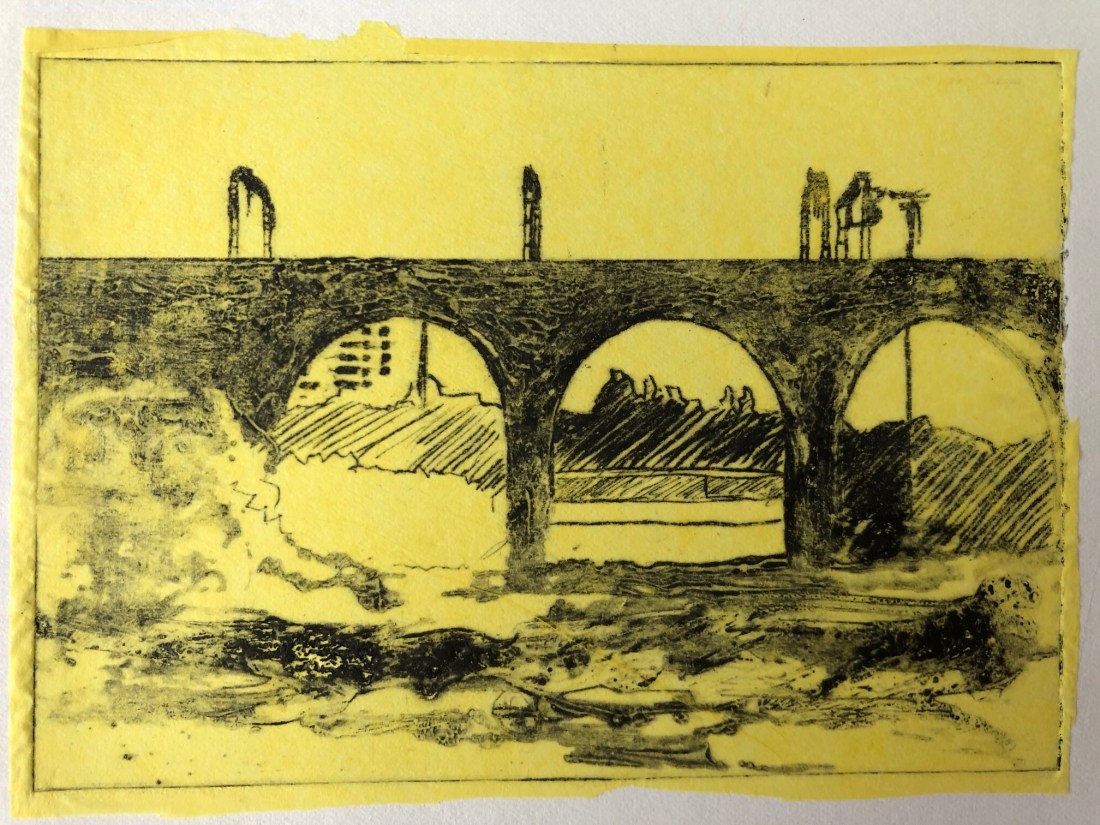
Following on from my previous blog post about the viaduct dry points, I have done a number of new chine-collé prints from the plastic plate using yellow tissue paper. I decided to use my portable etching press this time and the results have been amazing. The line is sharp and works well with the tissue paper. I printed some plain black and white dry points and results were just as amazing.
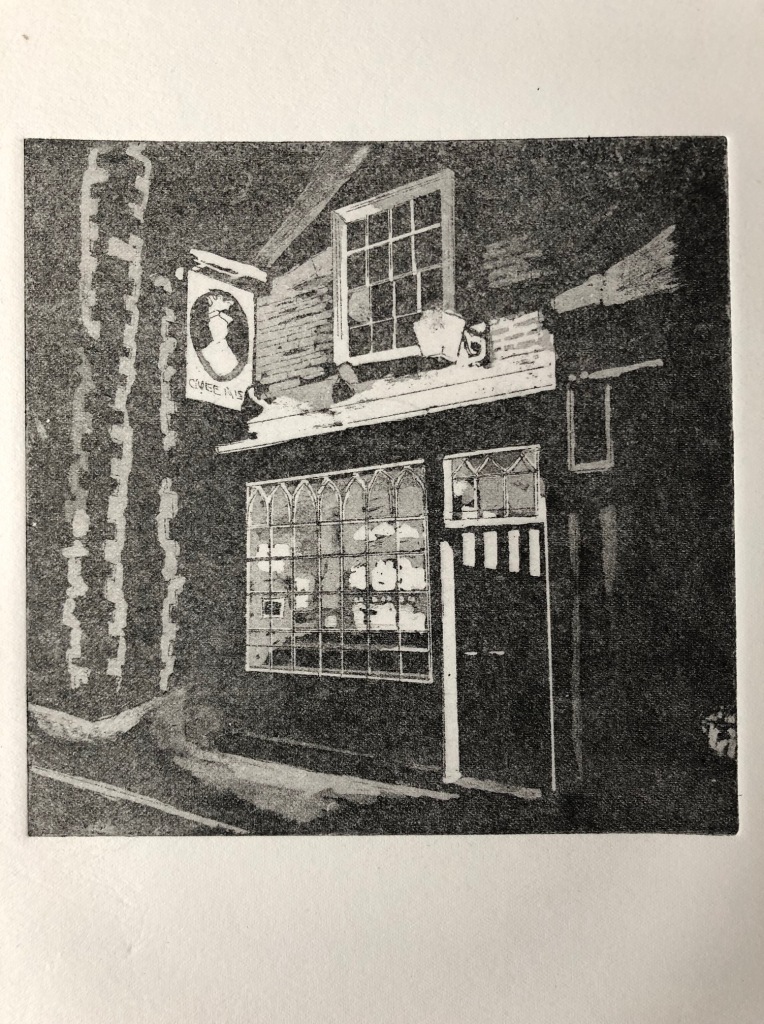
For the first time, I have printed a couple of etching aquatint prints from a zinc plate using the small Italian press I have at home. The results are lighter than using a larger more powerful etching press. The prints look as though there is a mist in the air. I used the plate depicting the Queen’s Head pub located on Little Underbank in the town. I use a medium plate oil mixed with black printing ink from Intaglio Printmaker, London.
My next set of prints use a monoprint stencil combined with a colour printed transfer technique called matte medium transfer. I have used this technique before so wanted to experiment further. The subject matter used was Pear New Mill which is a former spinning cotton mill just outside the town centre.
I initially printed abstract blocks of colour mainly greens and blues using a latex Gelli plate size A5. I then printed a stencilled pattern onto the same prints using System 3 acrylic paint. The paper stock I use is Winsor & Newton ‘Galeria’ Acrylic paper (300gsm). This acrylic paper is very durable and can withstand a lot of abuse especially when removing the excess paper from the colour transfer. I use acrylic paint because it is water based but cannot be easily removed and when it comes to rubbing off the excess paper transfer, the acrylic always holds firm. I also found that traditional photocopy transfers work just as well as the laser printed transfers.
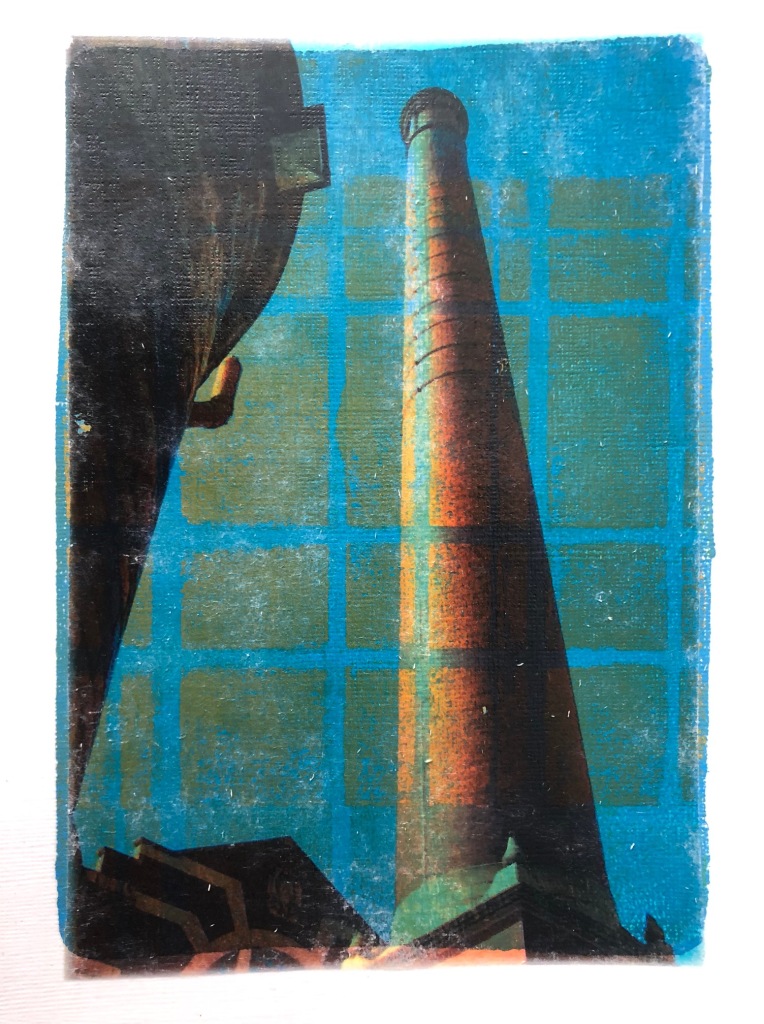
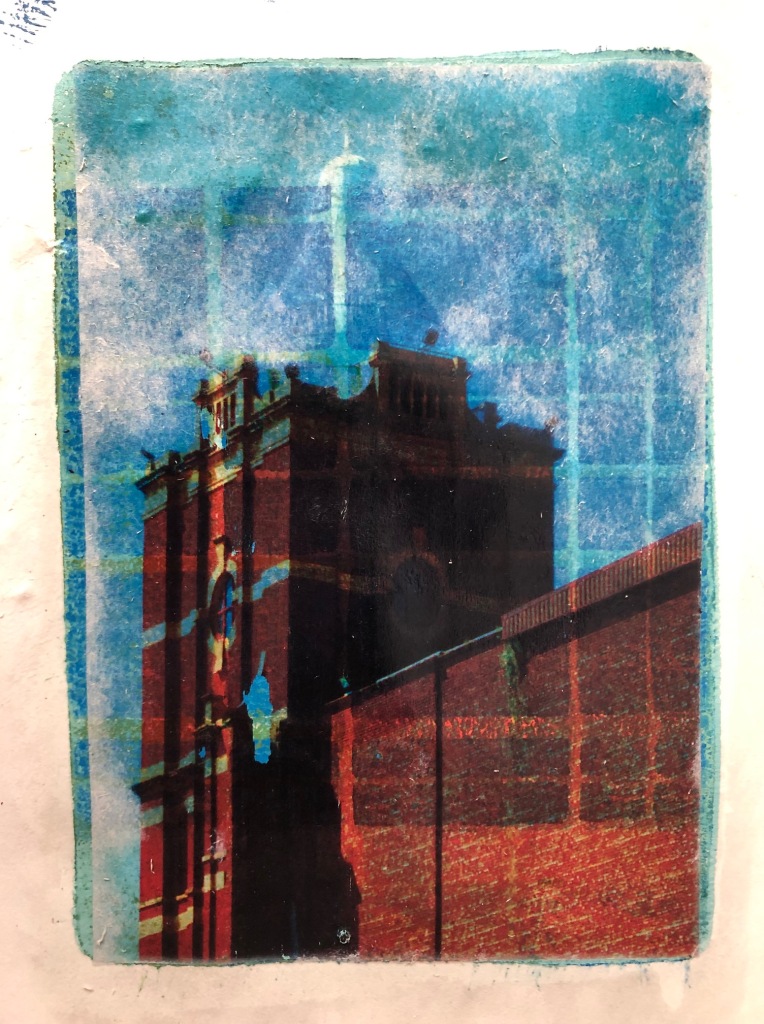
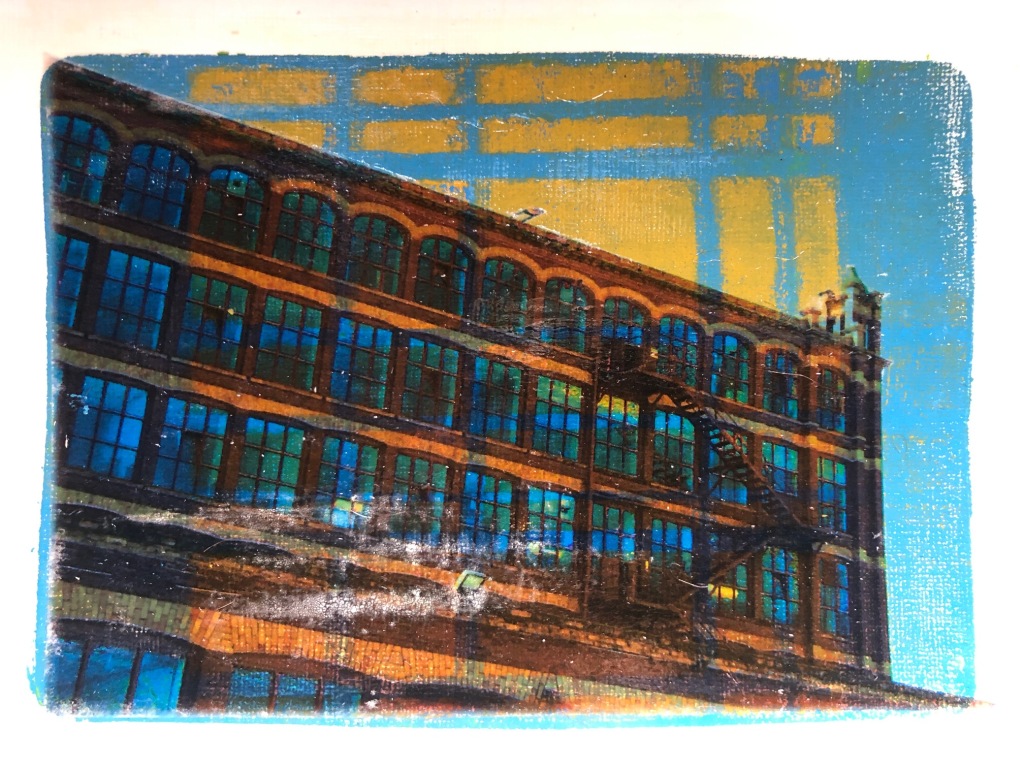
You still have to be gentle with the colour transfers though. The transfer will however fall off in small areas of the print but this is normal and strangely enhances the print in a way that gives it an old photographic feel. Finally, I used Daler Rowney matt acrylic varnish to seal and protect the prints.
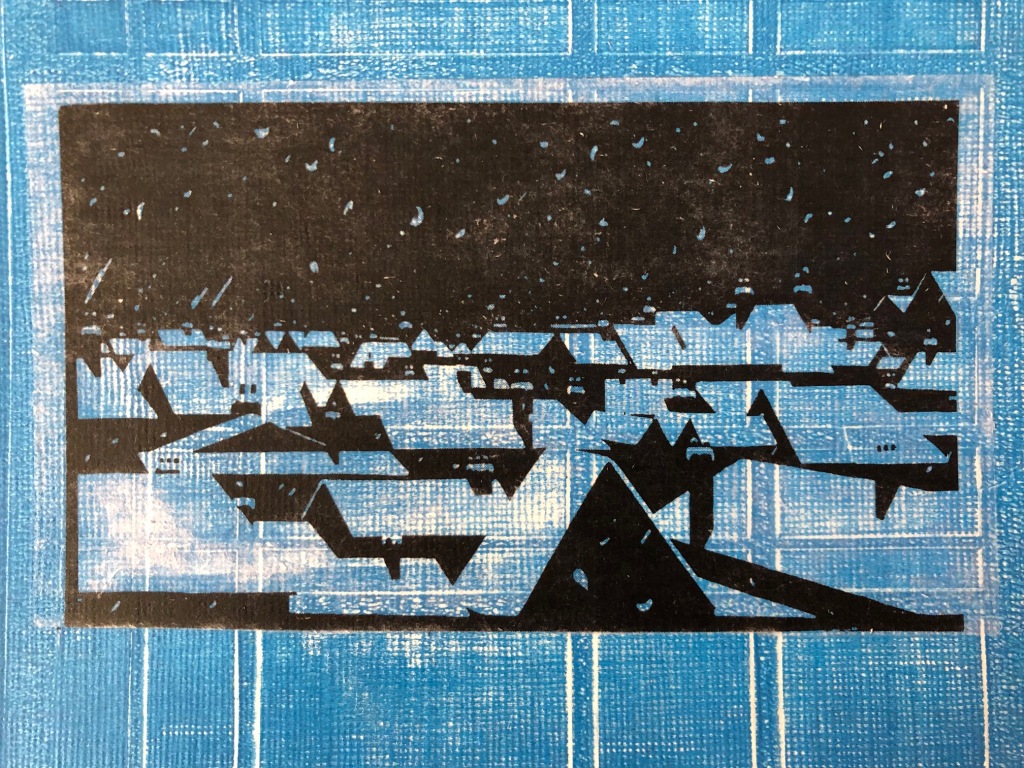
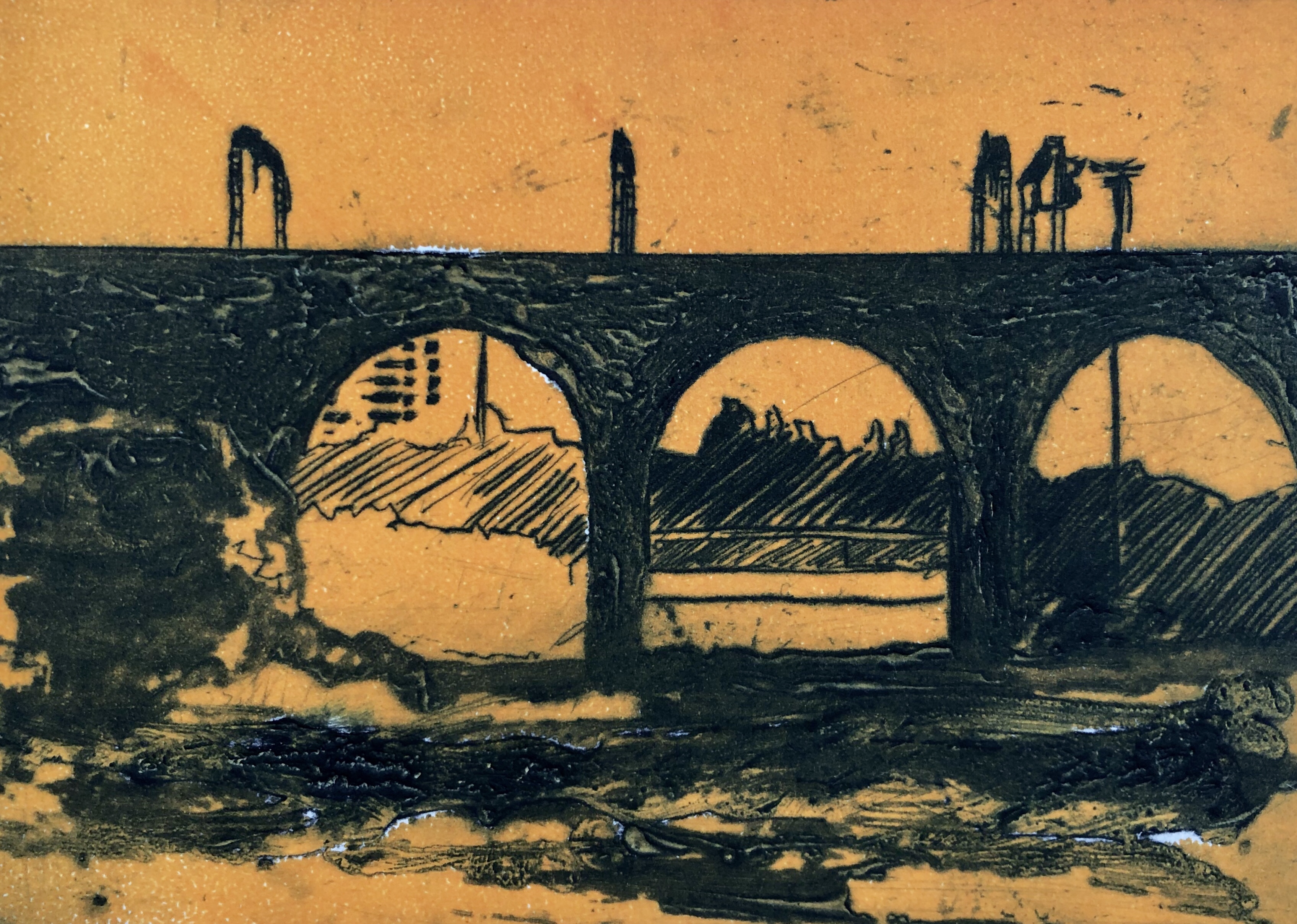
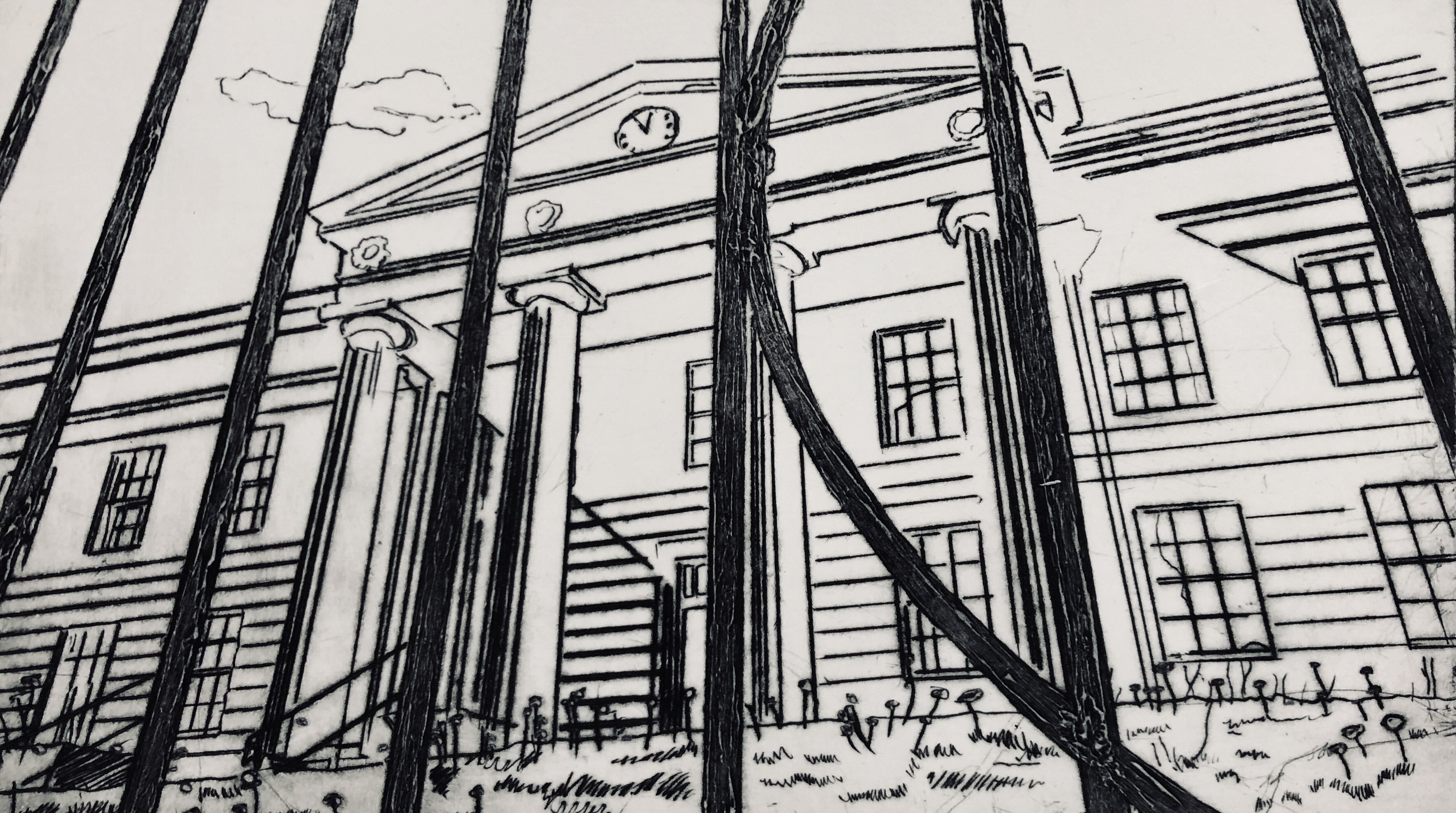
Here are two of the drypoint prints I produced on Sunday.
The viaduct print uses a rollover of orange ink over the black ink on the Perspex plate.
With the old infirmary drypoint print, I will add a wash of watercolour at some point.
I am hoping to do some chine collé prints of the viaduct using the same drypoint plate.
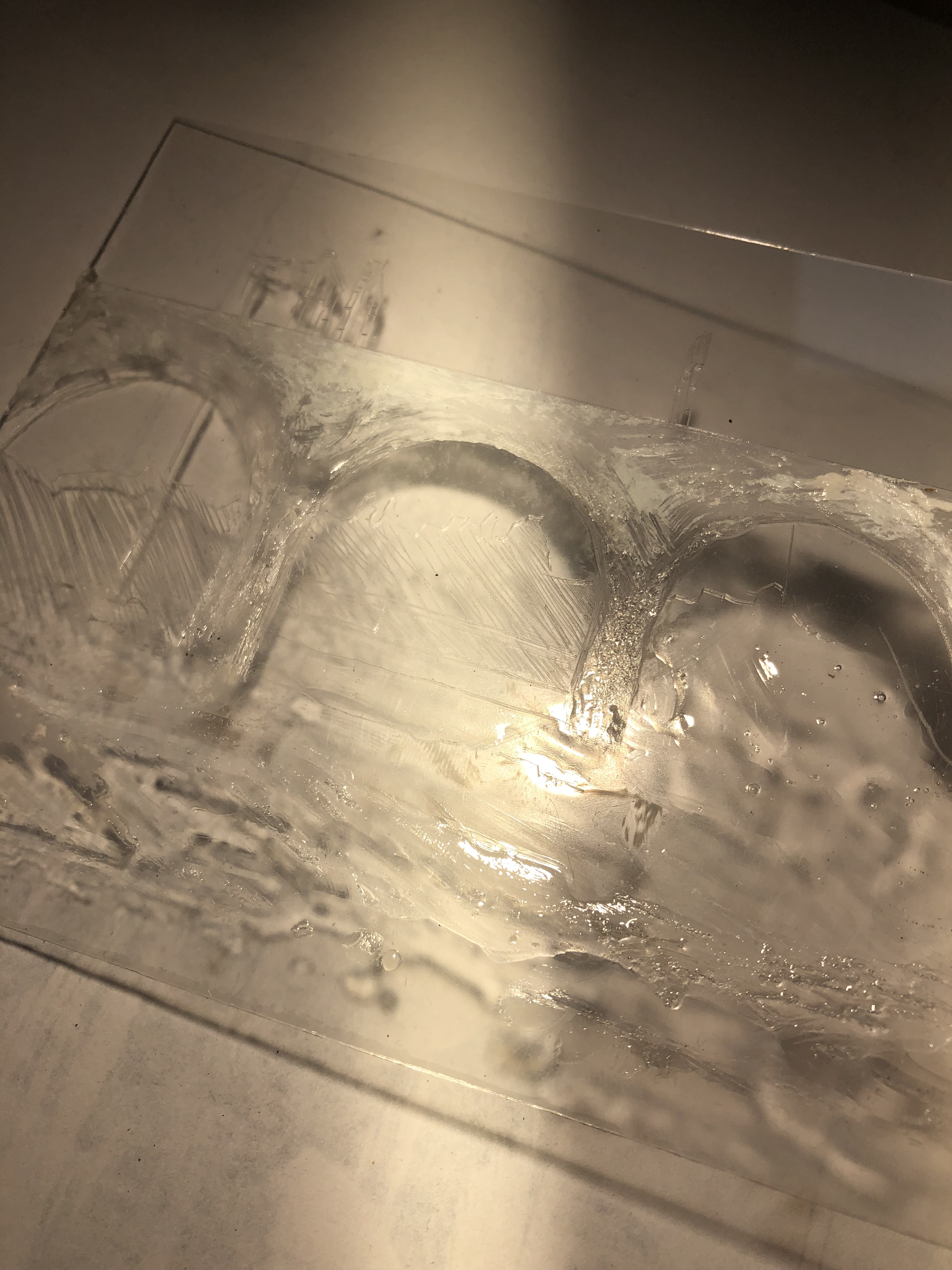
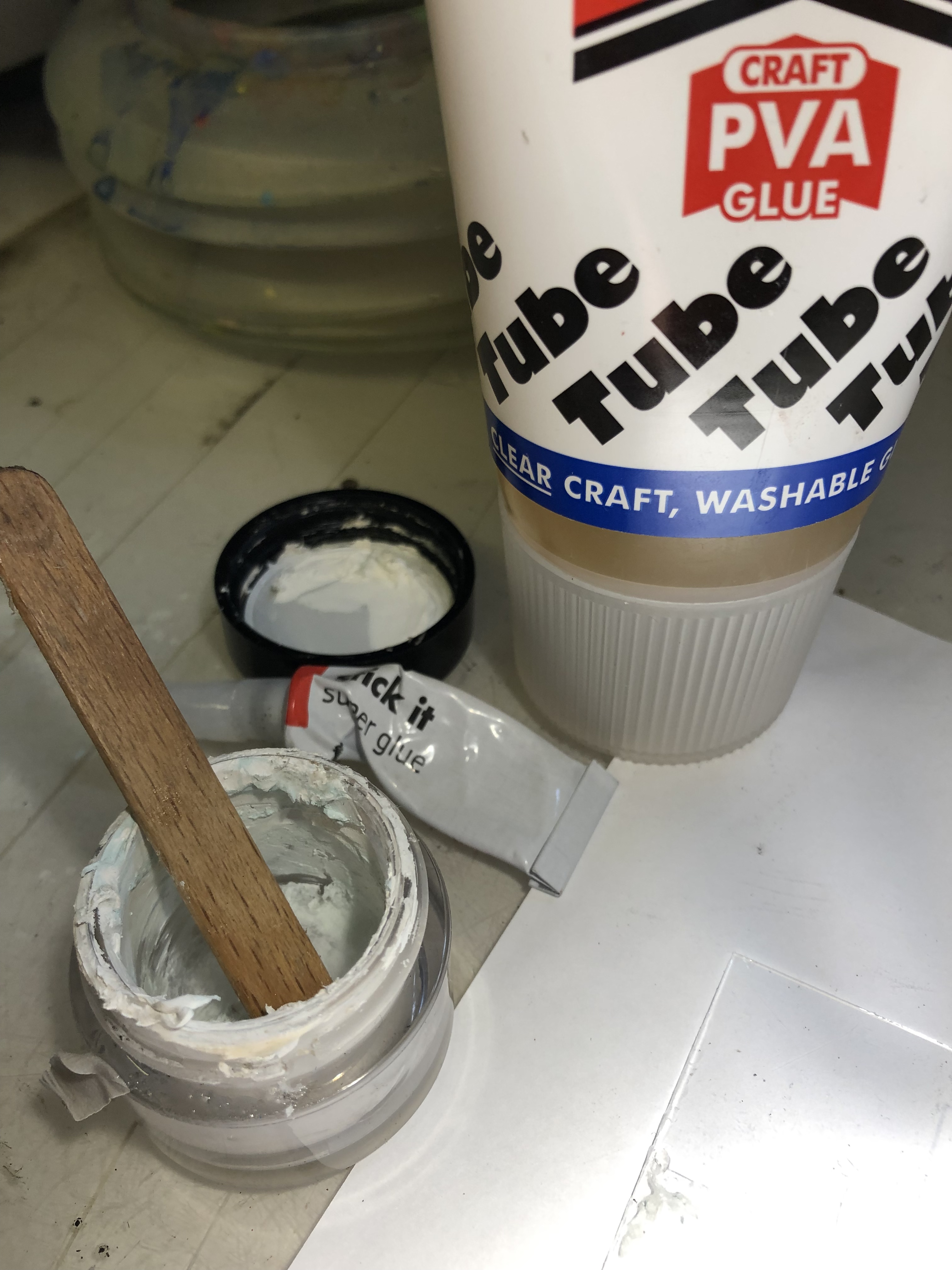
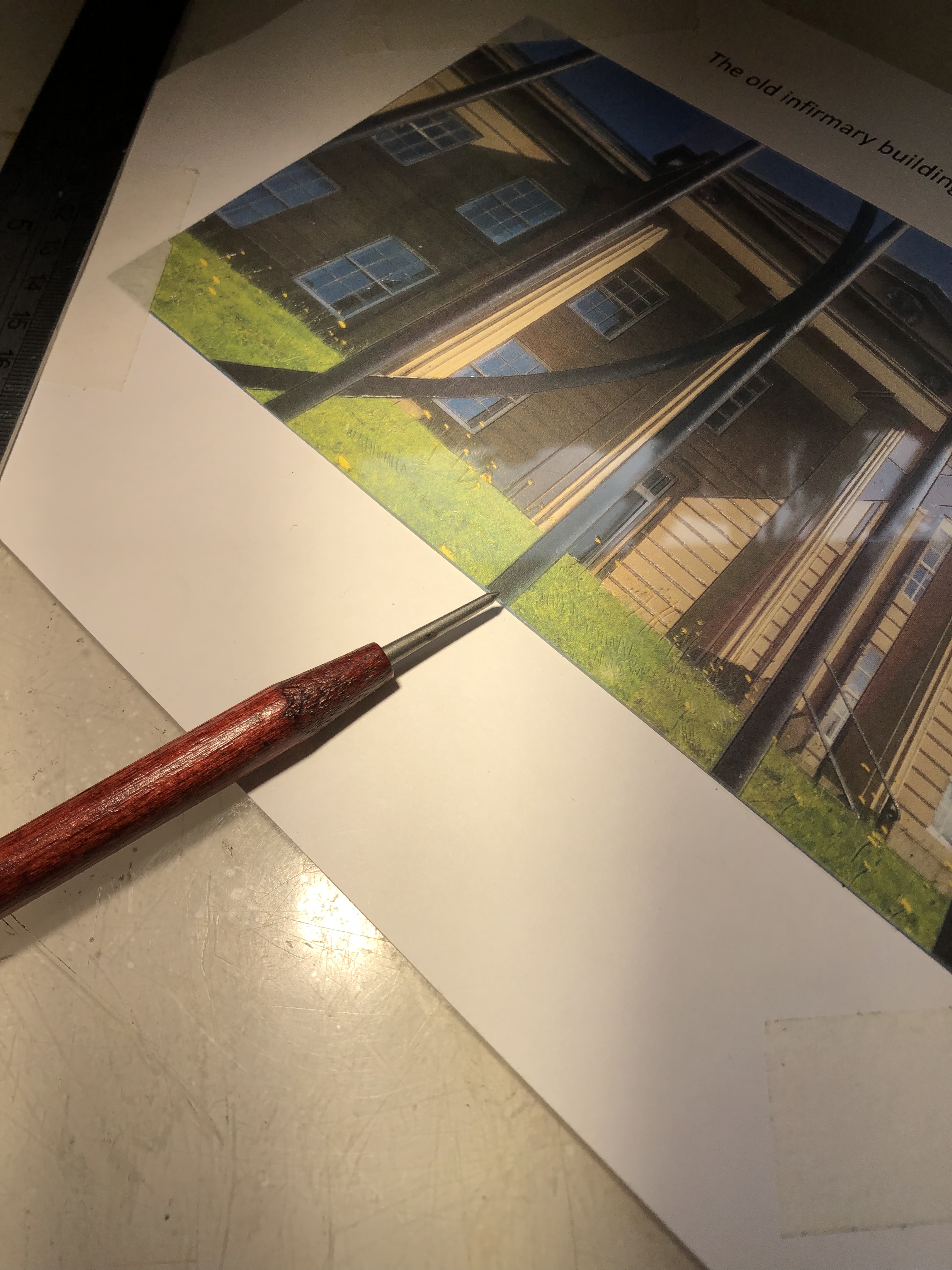
I have been working on some new plates this week in readiness for printing this Sunday. The two drypoint printing plates I am preparing are on thin plastic which I have etched onto images depicting the old infirmary and the railway viaduct.
On the viaduct plate, I have used a combination of gesso, PVA glue and superglue to build up texture which should hopefully give some interesting results when printed. I hope to use the chine collé method to add colour to the prints with magazine print and coloured tissue paper.
I have inserted a short video clip and some photos of the drypoint plates in this post.
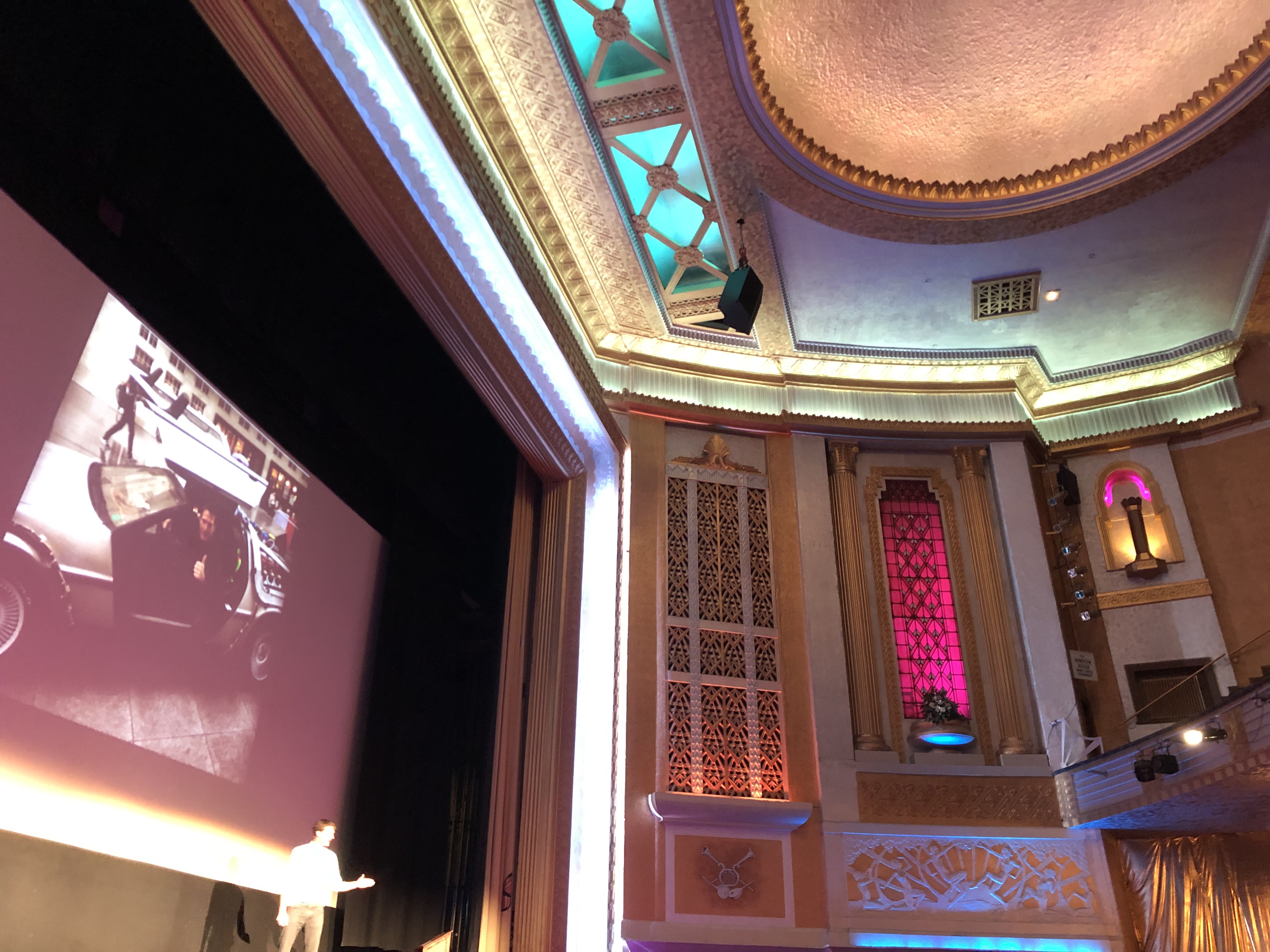
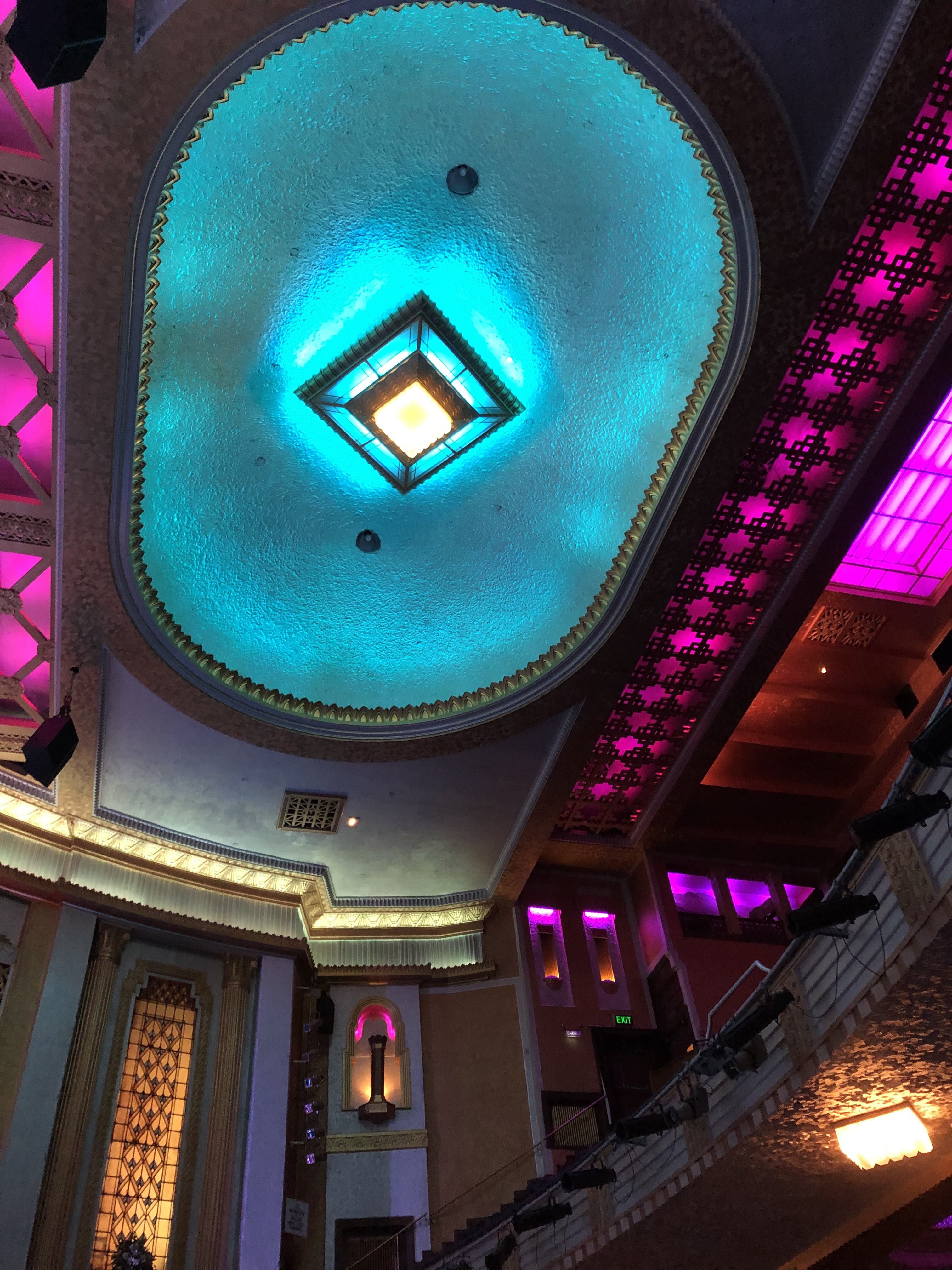
This evening I attended a very enjoyable entertaining and fascinating history show hosted by historian and tv presenter Dan Snow. Stockport was mentioned in the second half of the show such as the railway viaduct, Stockport’s hat industry, the air raid shelters and the Plaza theatre. The Plaza has an amazing interior.

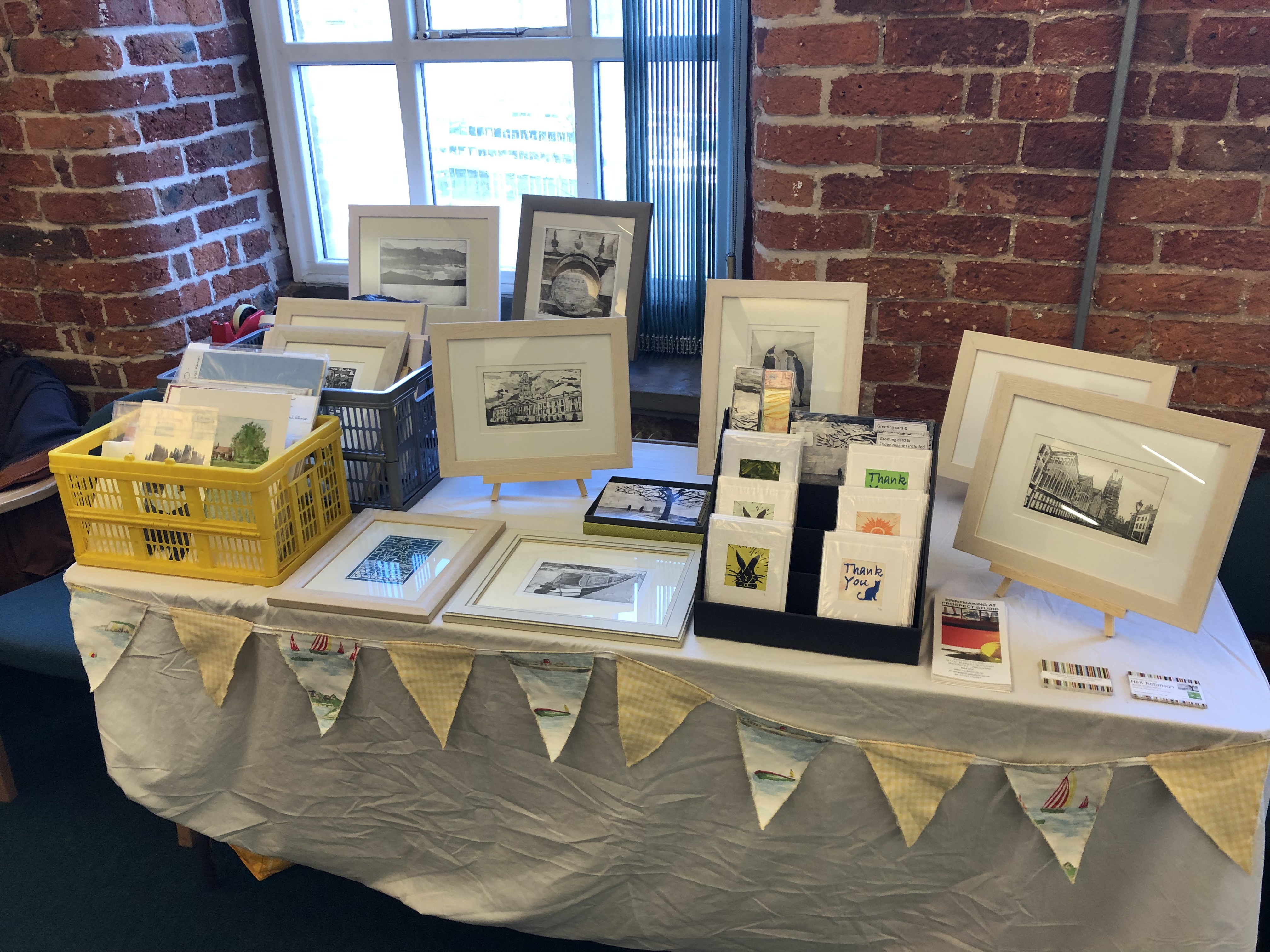
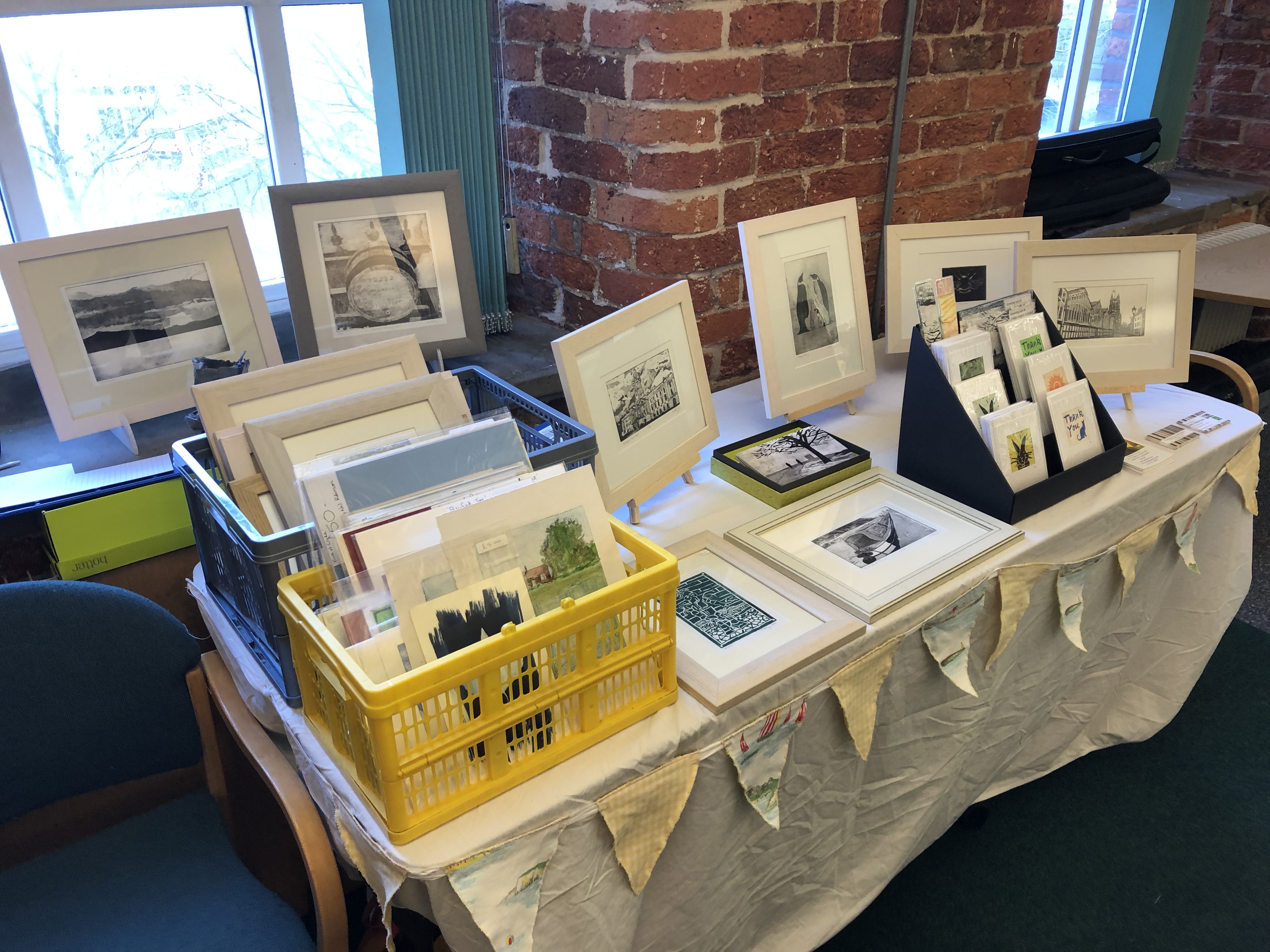
My stall at the Manchester Print Fair in the Hatworks museum, Stockport went very well yesterday. I sold quite a few prints, cards and bookmarks. Here are some photos of my stall. I even managed to create a screen print.
 Stockport In Print
You must be logged in to post a comment.